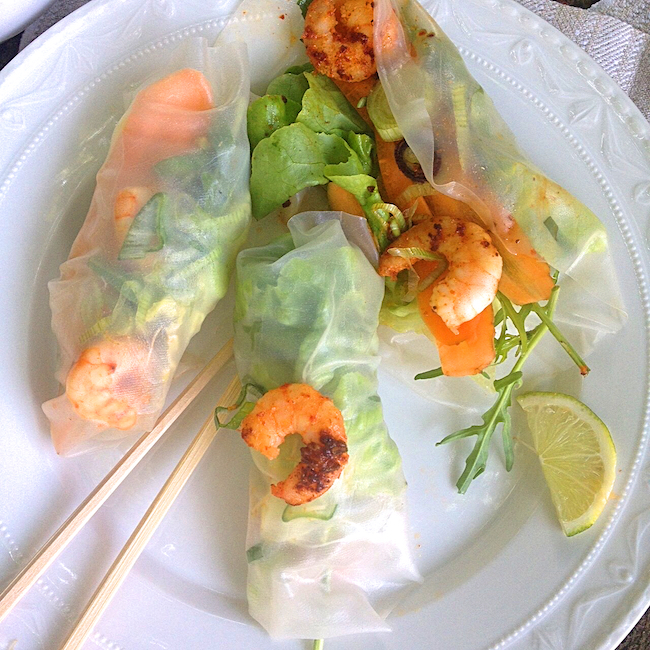
prawn and lettuce rice paper rolls (inspired by Donna Hay)
200g prawns
2 spring onions, chopped
a few leaves of lettuce and arugula
1 carrot, shaved
a few coriander, mint and basil leaves
lemon, salt and pepper
Top softened rice paper rounds with fried prawns, leaves of lettuce and arugula, chopped spring onions, carrot shavings and fresh herbs. Sprinkle with lemon, add salt and pepper to your liking. Fold over the ends and roll to enclose.
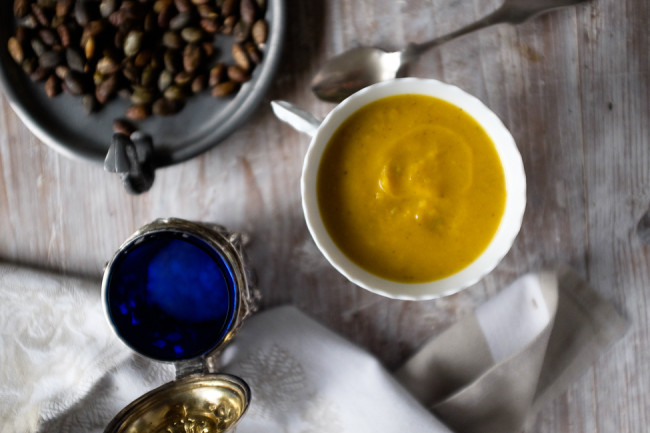
Back in Bali, I tasted a soup (which wasn’t even Balinese, as I found out later!) and it had an unusual flavour combination: essentially it was a savory banana soup.
I tried the original recipe and failed badly, but I found a shortcut to a similar taste. The secret lies in a creamy butternut squash and coconut soup, which is the perfect base for a tiny bit of fresh banana.
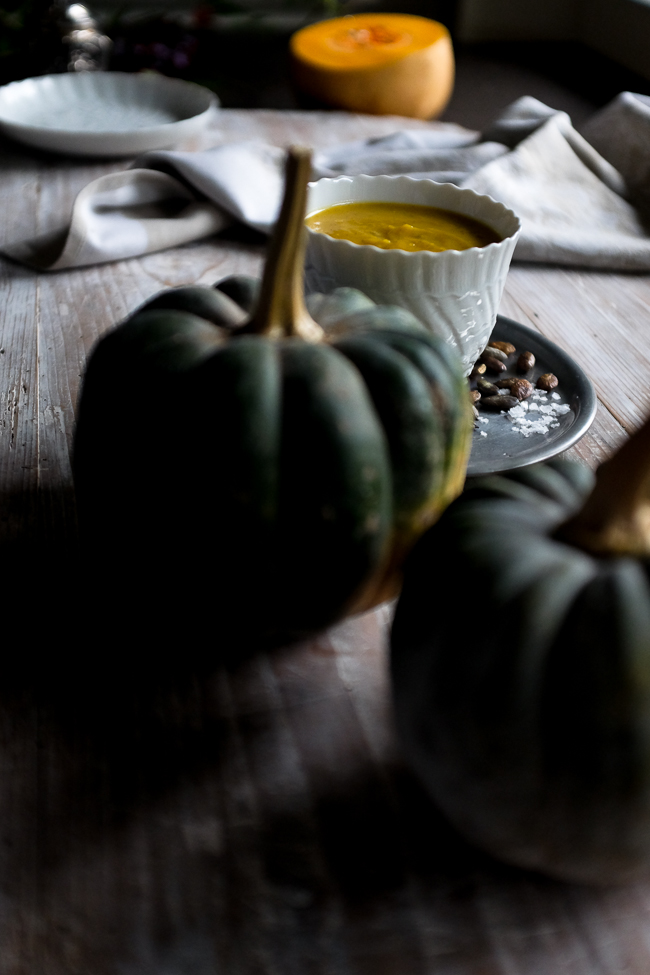
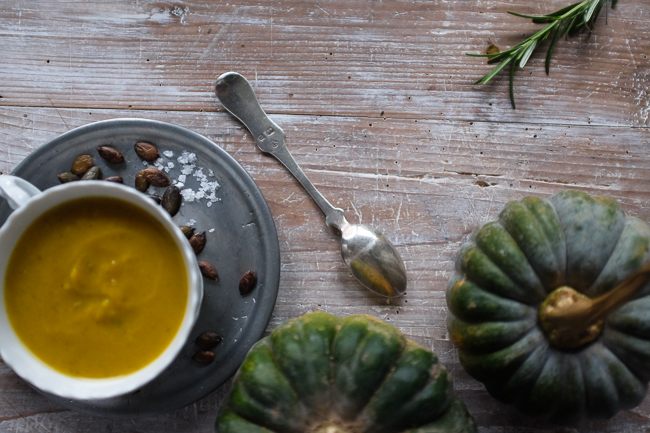
pumpkin soup with a Bali memory
1 tablespoon coconut oil
2 shallots, thinly diced
2 cloves garlic, minced
1/2 chili pepper (or more for heat)
1 small butternut squash
a pinch of sea salt and black pepper
1 1/2 tablespoons curry powder
1/4 teaspoon cinnamon
400ml light coconut milk
500ml vegetable broth
2 tablespoons maple syrup
1 ripe banana
Heat a large pot over medium heat.
Once hot, add oil, shallots and garlic. Sauté for 2 minutes, stirring frequently.
Add butternut squash and season with salt and pepper, curry powder and ground cinnamon. Stir to coat, then cover and cook for 4 minutes, stirring occasionally.
Add coconut milk and vegetable broth.
Bring to a low boil over medium heat and then reduce heat to low, cover and simmer for 15 minutes, or until butternut squash is fork tender. Add maple syrup and the ripe banana.
Blend until creamy and smooth. Taste and adjust seasonings.
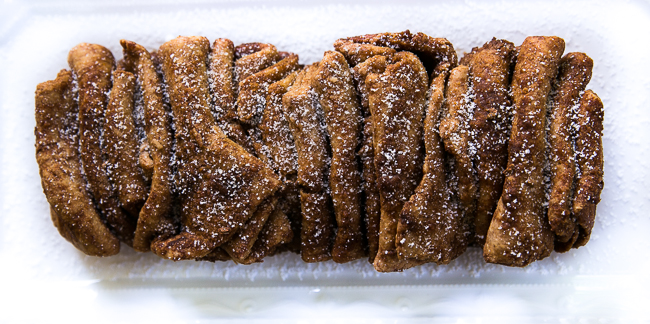
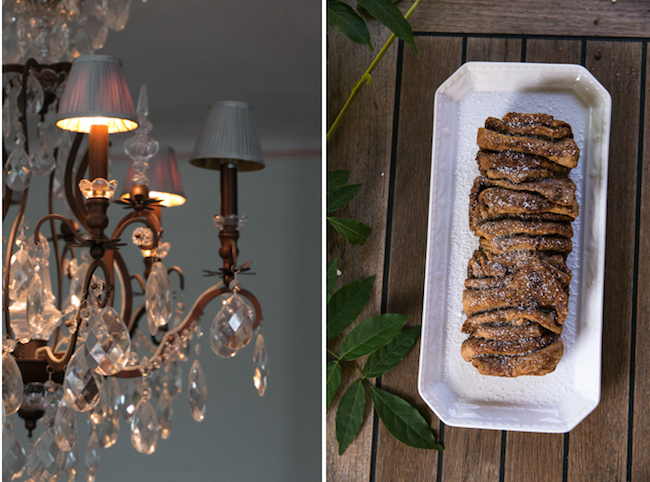
It feels as if this summer has gone much too quickly. The warm and sunny mornings, the lazy afternoons under the big umbrella in the garden . Cappuccinos and sweet extravaganzas prepared by my oldest daughter Viktoria who always brings something new and fancy into our “test kitchen”.
pull-apart cake
for the dough:
150g flour
100g freshly ground spelt flour
150ml almond milk (lukewarm)
1/2 sachet dry yeast (= about 2 teaspoons)
2 teaspoons sugar
1 pinch of salt
1 teaspoon coconut oil (melted in the lukewarm almond milk)
a pinch of ground nutmeg
for the filling:
80g coconut oil
2 tablespoons sugar (I take muscobado)
1 teaspoon cinnamon
a pinch of vanilla powder
the seeds of 3-4 cardamom pods
In a large mixing bowl combine flour, spelt flour, yeast, sugar, salt and the grated nutmeg. Add the lukewarm almond milk/ coconut mixture and stir in. Knead with your hands until the dough comes together. Cover with a towel for at least 20 minutes.
Prepare the filling and preheat the oven to 180°C.
Turn dough out onto a lightly floured surface and knead again until smooth and elastic. Flatten the dough with a rolling pin and cut it in long strips the width of your baking dish. Spread the filling evenly onto the dough. Fold the dough like an accordion into the dish.
2 large aubergines
2 tablespoons olive oil
sea salt
for the tomato sauce:
1 tablespoon olive oil
2 garlic cloves, crushed
400g canned or bottled tomatoes
2 or 3 fresh tomatoes , chopped
sea salt and freshly ground black pepper
for the filling:
200g couscous (millet or quinoa also works well)
1 clove garlic
4 tablespoons grated parmesan, plus extra for serving
30g pine nuts, plus extra for serving
2 tablespoons pickled capers, drained and chopped
juice of 1/2 lemon
2 eggs
sea salt and freshly ground pepper
a handful of basil leaves to decorate
For the tomato sauce heat the oil in a saucepan, add garlic and sauté for a moment. Add the puréed tomatoes, the fresh tomatoes, salt and pepper. Bring to a boil, reduce the heat and simmer gently for 20-30 minutes.
Preheat the oven to 200°C. Slice the aubergines lengthwise into thin slices. Brush them slightly with olive oil on both sides. Sprinkle with sea salt and roast them in the oven until soft and browned, about 10 minutes.
Meanwhile cook the couscous. Cover and set aside.
Place the couscous in a mixing bowl. Add all the filling ingredients, except the eggs. Mix well. Add the eggs and combine.
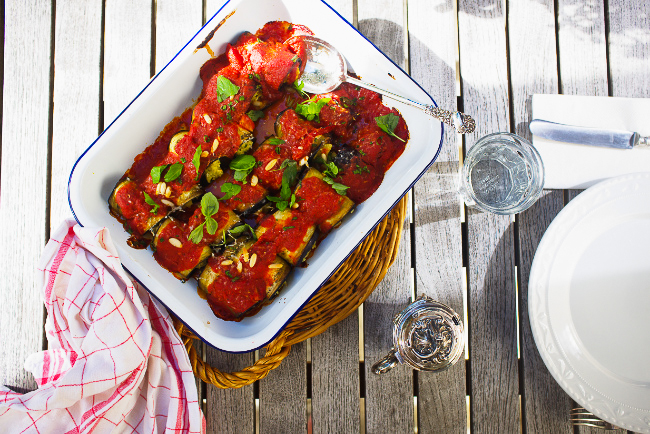
Place the grilled aubergines in front of you with the larger end towards you.
Add a couple of spoonfuls of the filling and roll upwards. Place the rolls on a baking dish in lines, ends down.
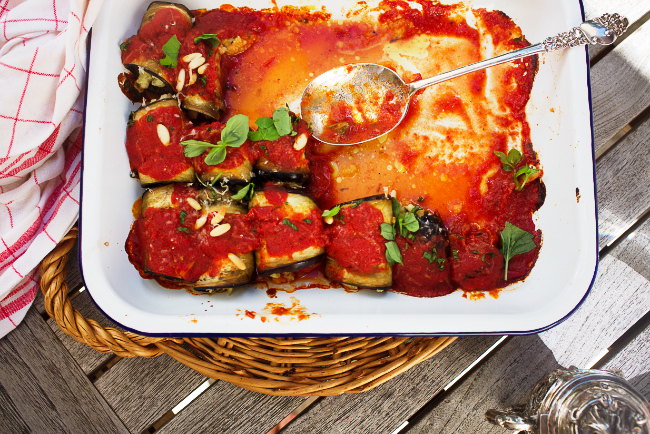
Pour the tomato sauce over and bake for 15-20 minutes (oven 200°C).
Remove from the oven and sprinkle with grated parmesan, pine nuts and basil leaves.
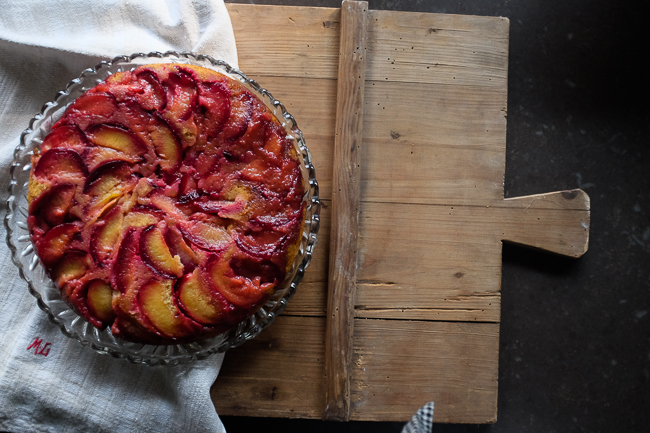
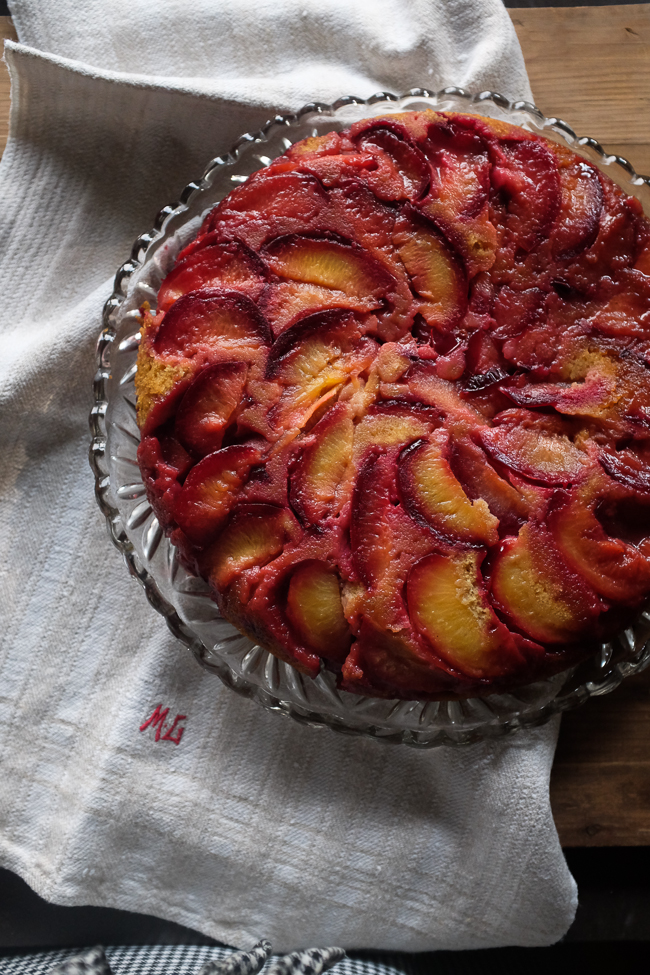
This upside down cake is perfect to use up the last bit of summer fruit. We ate it for breakfast on my daughter’s birthday. Here’s how to make
upside-down plum cake
500g plums, pitted and cut into wedges
150g butter (3 tablespoons for the base layer, rest for the batter)
3 tablespoons brown sugar (I used muscobado)
100g sugar
2 pinches of sea salt
2 eggs
120 ml milk
1 teaspoon vanilla extract
2 teaspoons baking powder
240g flour
Preheat your oven to 180°C (350°F). Lightly butter the sides of a heavy-bottomed pan.
In a large bowl, use your hands to work 3 tablespoons of the butter together with the muscobado sugar and the pinch of salt. Spread the mixture on the bottom of the pan.
Arrange the plums in a single layer on top of the mixture. Be generous, they will release water as they cook and shrink!
In the same bowl whisk the remaining butter with the sugar until smooth. Add the eggs. Add the milk and vanilla. Whisk in a pinch of salt, the flour and the baking powder until just combined.
Use a rubber spatula to evenly scrape the batter over the plums.
Bake until the cake is golden brown for about 40 minutes. Let the cake cool in the pan. With a knife loosen the sides of the cake. Put a serving dish on top of the pan and flip it over. In case the plums stick to the pan, take a spoon and put them back on top of the cake. Serve with whipped cream!
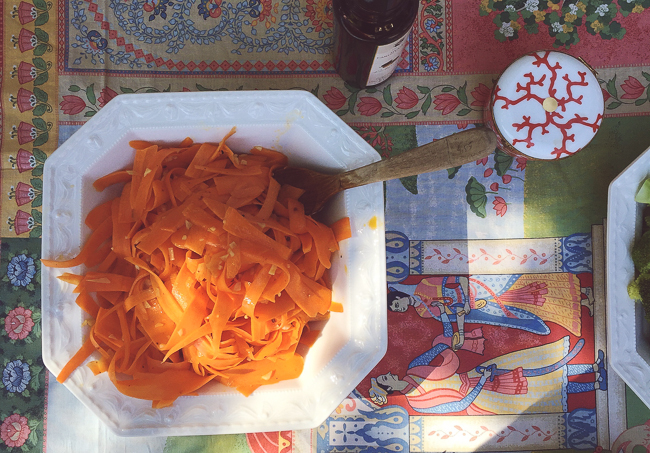
carrot + coriander + garlic salad ( guest post by my daughter Viktoria)
The recipe of this salad came to me by way of my friend Maddy. She is Latvian, but I am not sure if this salad is Latvian too. Anyhow, it’s amazing how delicious it is, considering the small and rather basic set of ingredients.
Let me give you a few tips, before you start:
This salad gets better after a few hours or a night in the fridge.
An ENTIRE garlic sounds a bit much, granted, but if you dare (and maybe cancel any plans that would involve breathing close to someone who hasn’t tasted this magic)… you will be rewarded with FLAVOUR that is really worth canceling plans for.
I never measure any quantities, and this salad is quite forgiving, should you also chose to be flexible with your ingredients.
the recipe:
(yields a lot, lasts a few days in the fridge, preparation time: 10-20 minutes, depending how complicated you chop your carrots and garlic)
1kg carrots, sliced in your preferred style (I like using the peeler)
1 head of garlic, finely chopped
100ml oil (olive oil or any mild vegetable oil is fine)
2 TBS sugar
1 tsp salt
1 tsp coriander seeds (feel free to grind in a mortar or use powder)
Black pepper, cumin seeds and chilli flakes are optional
50-100ml apple cider vinegar (start with 50ml and add more to your own taste)
1) Put the carrots in a bowl with roughly 1/4 of the minced garlic.
2) Heat the oil in a small pan, add the spices and the remaining garlic, and stir. Be careful not to let the oil get too hot: your garlic shouldn’t look brown or crispy. Also add the sugar and salt, and it may feel a bit like you are making caramel.
3) Pour the hot oil-garlic-spice-caramel onto your carrots and mix well.
4) Add the ACV last, and mix again.
5) Chill, or simply wait a while for the carrots to absorb the flavours.
1 cup whole grain black rice
1 tablespoon sugar ( best is palm sugar)
a pinch of salt
2 cups water
canned coconut milk or coconut cuisine
1 ripe mango
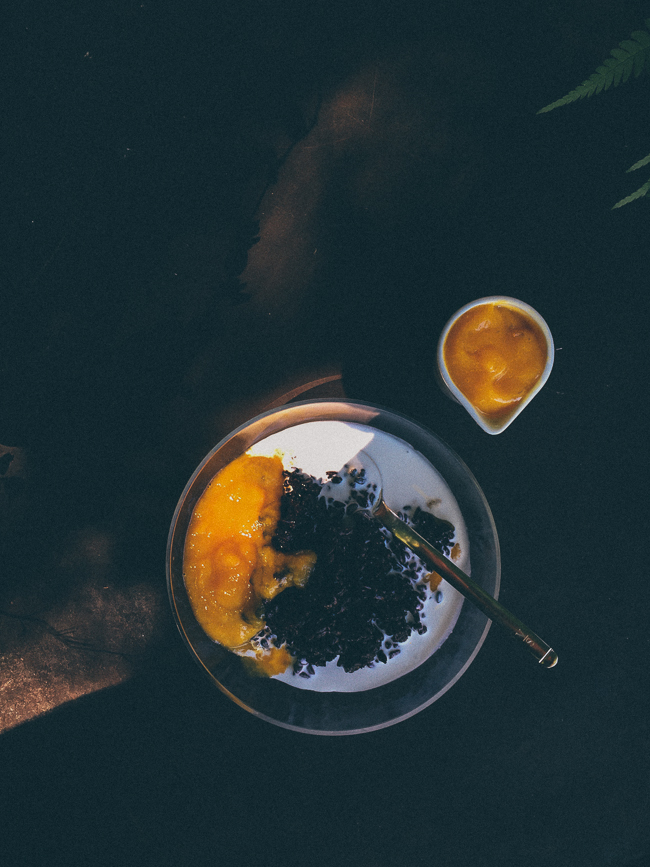
In a saucepan combine rice, sugar, salt and water. Bring to a boil, then lower the temperature to a minimum. Cook for 40 minutes with the lid on. Serve the rice hot or cold.
Before serving add coconut cream and puréed mango.
Black rice with coconut milk must be one of my favorite dishes. I sometimes eat it as a massive breakfast, prepared without sugar or salt entirely, and some other times it becomes a delicious dessert: sweet, soft and topped with mango. I’ve eaten so many variations of this dish, that it’s hard to pick one. Just to give you an example, the rice could be boiled very soft and sweet, quite dry and chewy, or so sticky that is almost feels like a mochi.
The version we tried today was adapted from a Balinese recipe (but the original is twice as sweet!). Very yummy, either way!
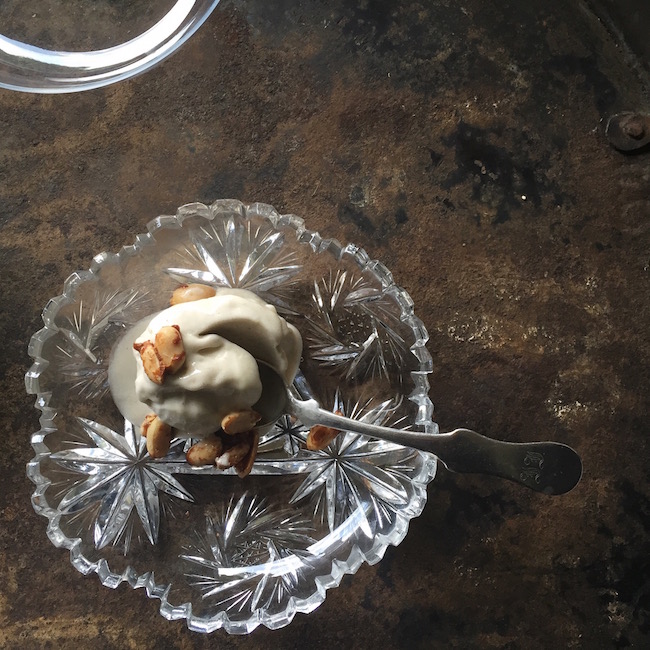
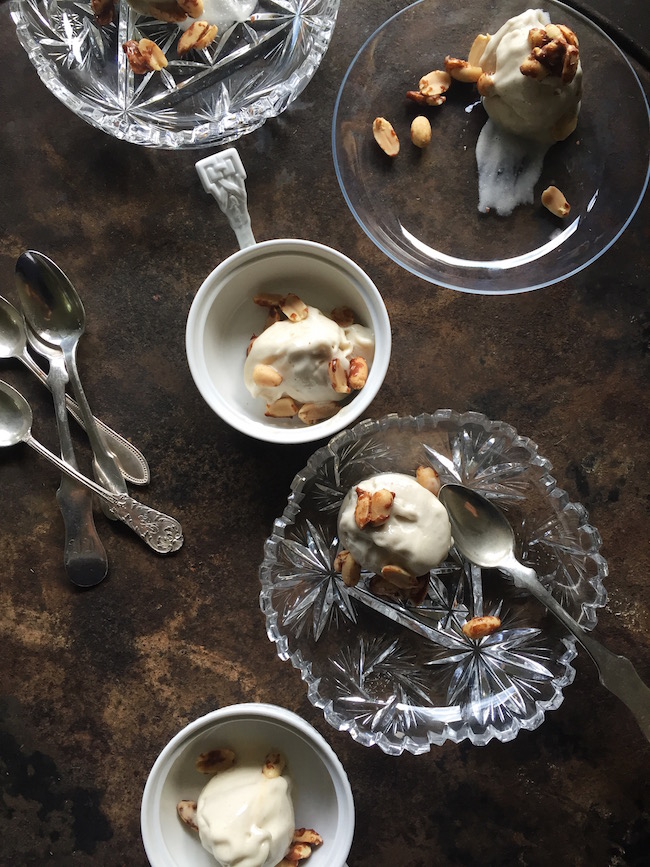
Slowly heat sugar in a saucepan always stirring until it melts. Add the peanuts and stir until coated.
Set aside to cool.
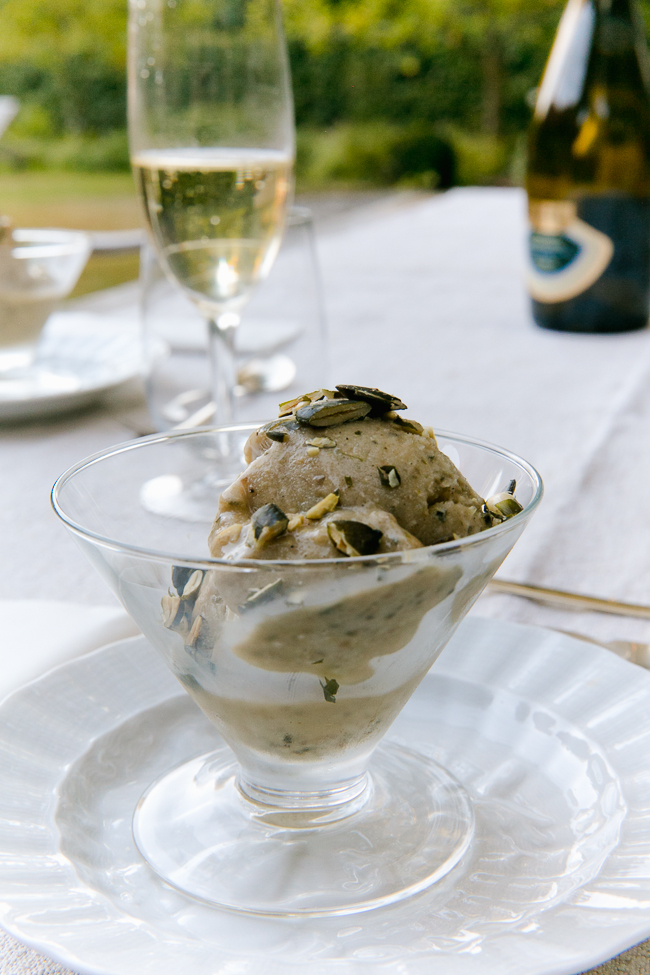
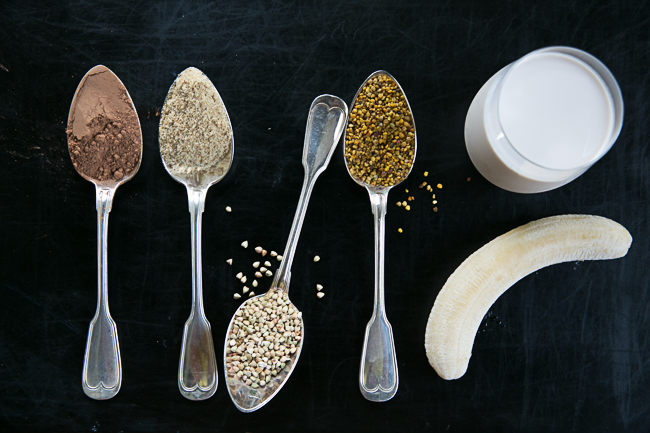
In a masticating juicer (Champion, Green Star, Omega, etc): homogenise the frozen bananas.
In a blender (Vitamix, Nutribullet, Thermomix, etc): blend the frozen banana with a bit of liquid, any nut milk for example.
Manage Cookie Consent
To provide the best experiences, we use technologies like cookies to store and/or access device information. Consenting to these technologies will allow us to process data such as browsing behaviour or unique IDs on this site. Not consenting or withdrawing consent, may adversely affect certain features and functions.
Functional
Always active
The technical storage or access is strictly necessary for the legitimate purpose of enabling the use of a specific service explicitly requested by the subscriber or user, or for the sole purpose of carrying out the transmission of a communication over an electronic communications network.
Preferences
The technical storage or access is necessary for the legitimate purpose of storing preferences that are not requested by the subscriber or user.
Statistics
The technical storage or access that is used exclusively for statistical purposes.The technical storage or access that is used exclusively for anonymous statistical purposes. Without a subpoena, voluntary compliance on the part of your Internet Service Provider, or additional records from a third party, information stored or retrieved for this purpose alone cannot usually be used to identify you.
Marketing
The technical storage or access is required to create user profiles to send advertising, or to track the user on a website or across several websites for similar marketing purposes.