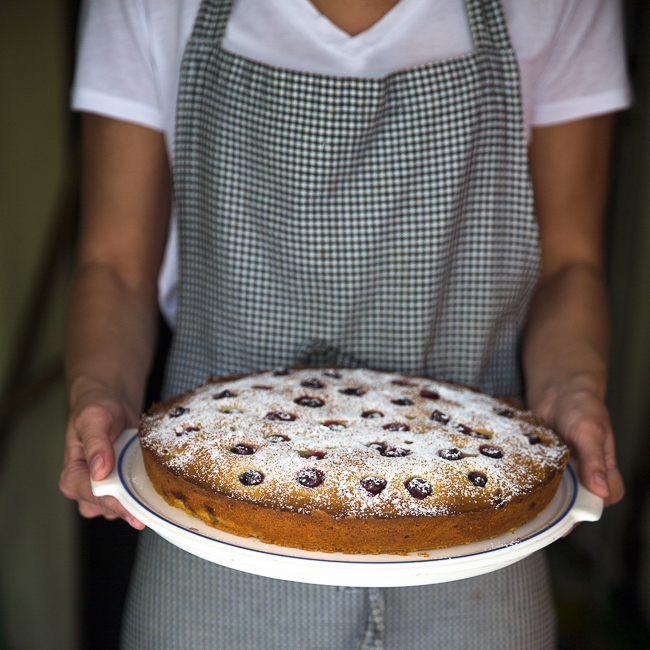
1 kg Quark 2/3 cups sugar 1 tablespoon vanilla extract 4 large eggs 3 tablespoons cornstarch (Maizena) 100g butter (= 8 tablespoons) , melted and cooled 2 tablespoons flour 2 teaspoons baking powder 1 lemon, grated peel and juice
Preheat the oven to 190°C and put the oven rack in the lower third of the oven. Butter the bottom and the sides of the baking form and sprinkle in flour to lightly coat the form.
In a large bowl, beat together the Quark, sugar, vanilla, eggs, cornstarch, butter, flour, baking powder, lemon peel and juice until the batter is creamy.
Pour the batter into the prepared form. Bake for 45 minutes.
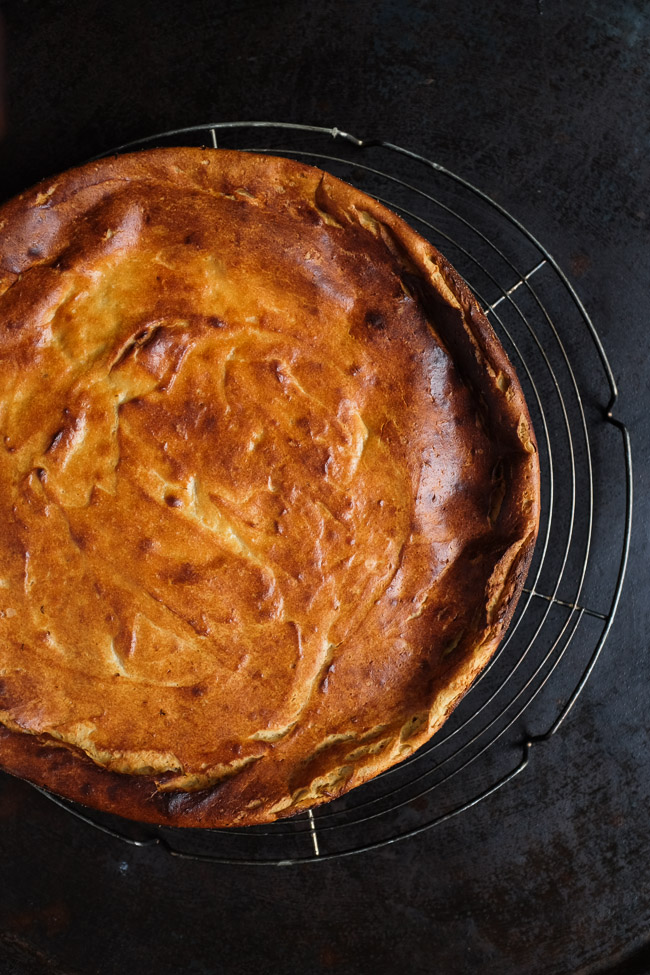
Remove the cake from the oven and place the form on a cooling rack. The cake will be losing its height – that’s normal. Let the cake cool down completely before removing the sides of the form.
Currently gifted with a lot of free time, we got my old art box out, filled with all sorts of chalks, inks, crayons and water colours. I used my french charcoal sticks for some sketches, and fully enamoured with the smooth texture and expressive line, decided that it’s time to make our own locally grown artist charcoal.
Preparation
Collect fresh branches/twigs. Willow and wine are classically used, but we also successfully tried beech and alder tree. The branches should be at least 8mm thick. (The willow tips within our reach were definitely too thin! They can be used but are a bit fragile.)
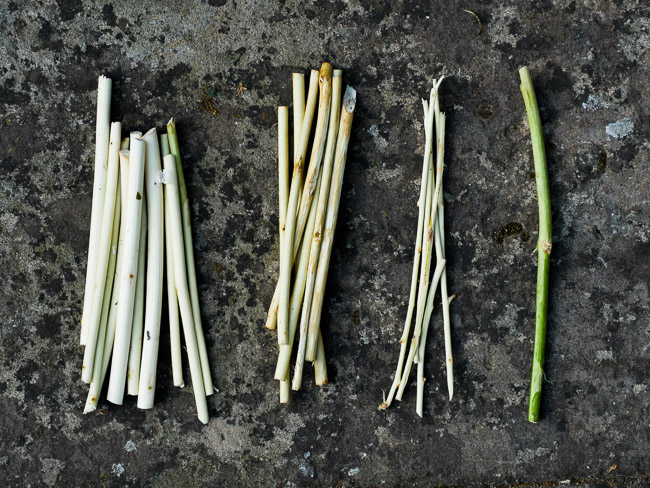
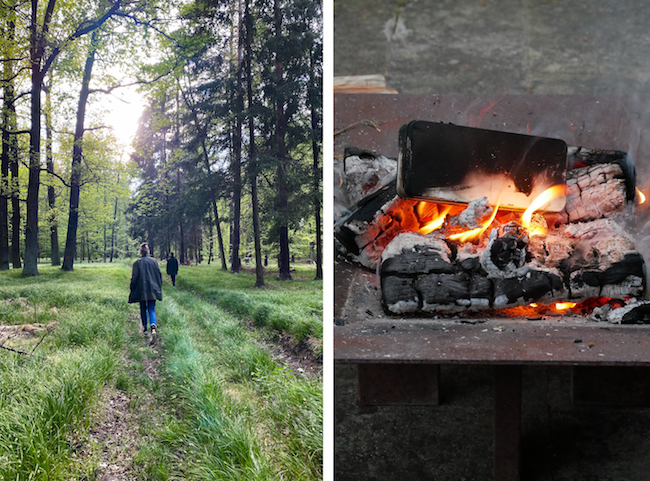
Cut the sticks to your desired length, and peel the bark off. We did this step while walking and collected the sticks in our pockets, so you will have to imagine how that looks like. The peeling was easy because the trees were so juicy.
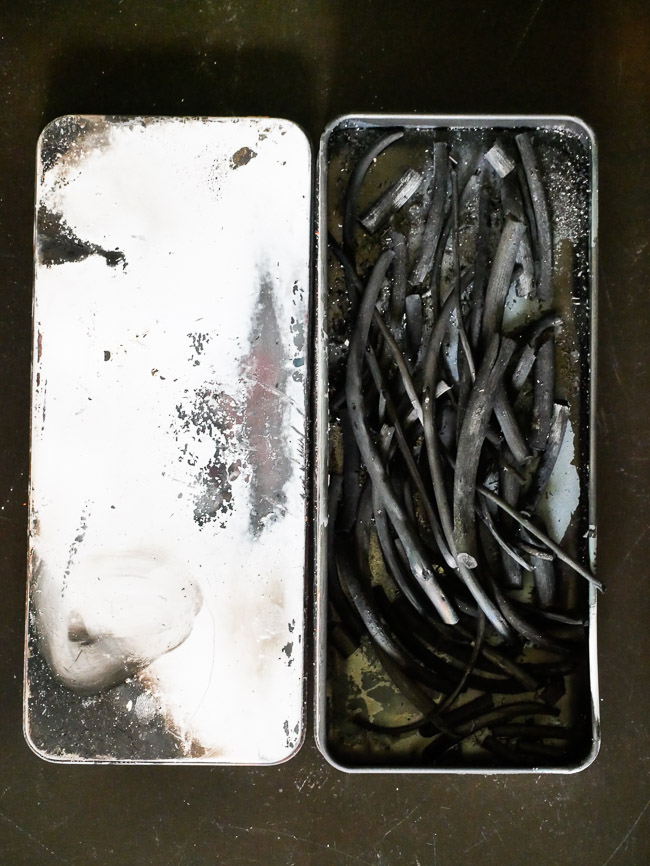
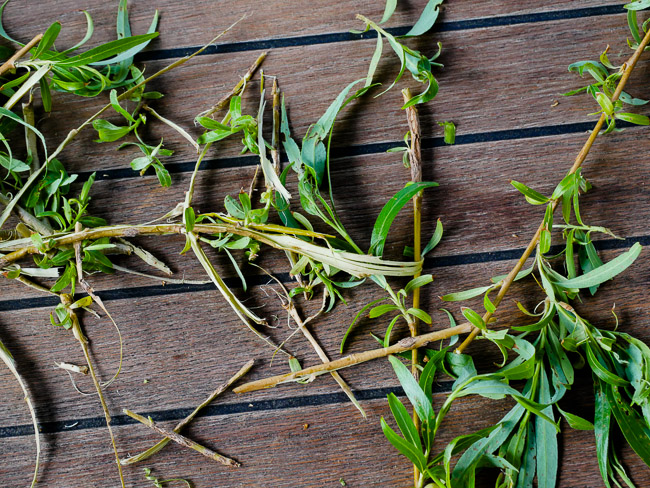
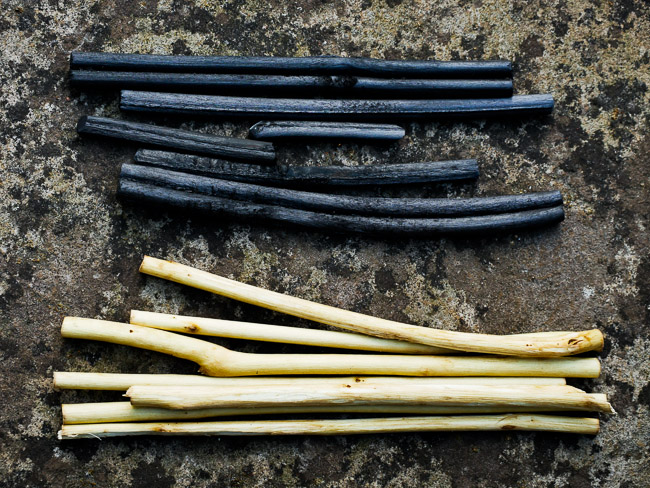
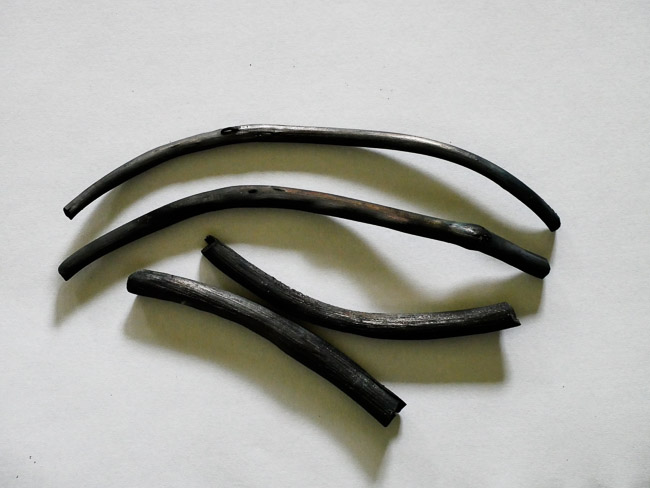
Pictured below: a) willow bark we peeled off; b) my french store bought charcoal next to our alder sticks; c) beech, alder, willow, and elder; d) our own charcoal.
The Process
Find a metal box that you can seal. We found a truffle box, also paint cans are suitable. It should be sealed well, but not air tight, in that case simply make a little hole in your container.
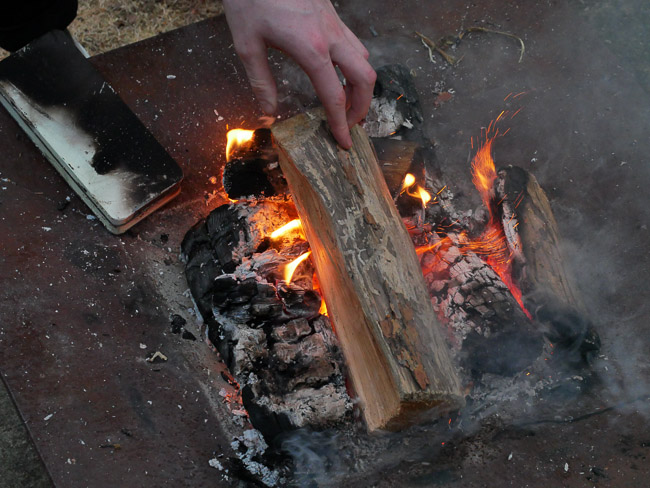
Build a fire! The box will stay in the fire for at least 1,5h.
Put the sticks in the box, close it well, and chuck it in the fire.
Set a timer, and wait. Carefully turn the box once or twice (at least that’s what we did).
BE CAREFUL: the box might have build up pressure inside, and it will be extremely hot. The metal was glowing red! Keep that in mind when moving it, use long sticks to handle it, and gently move it away from the fire.
Let it cool down completely, before carefully opening it to check if the sticks have charred fully. If they aren’t all the way black, just put them back in the container and back in the fire for a while longer.
Et voilà!
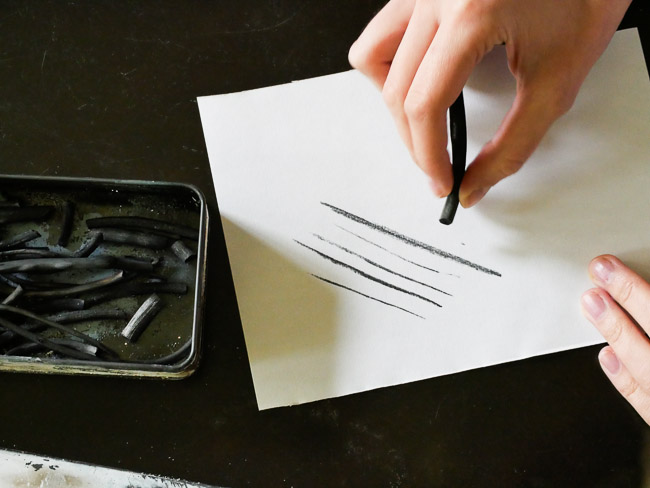
To try out the charcoal I just drew some lines. It’s truly amazing how each stick has it’s own softness and texture: you can see some hard lines and some soft fat, deeply black ones.
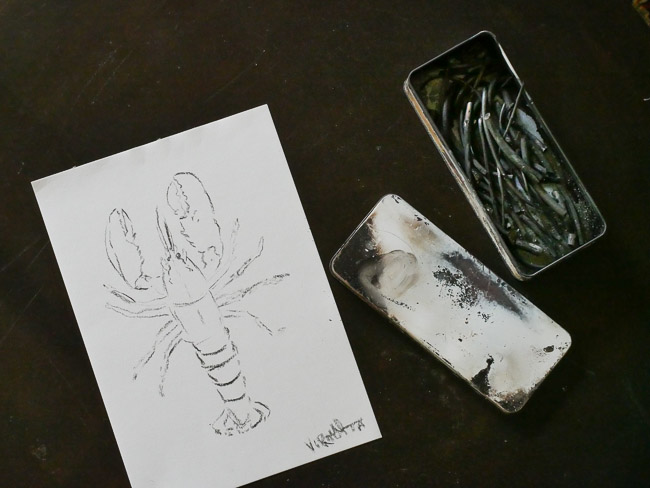
Now get yourself some quality paper, and start creating! My advice would be to throw your logical brain out and with it all expectation and control, and just have fun exploring the medium.
What we learned for the next time: Different trees all give great results. Super thin sticks are too fragile. It’s easy, if you have a metal box and a safe fire pit!
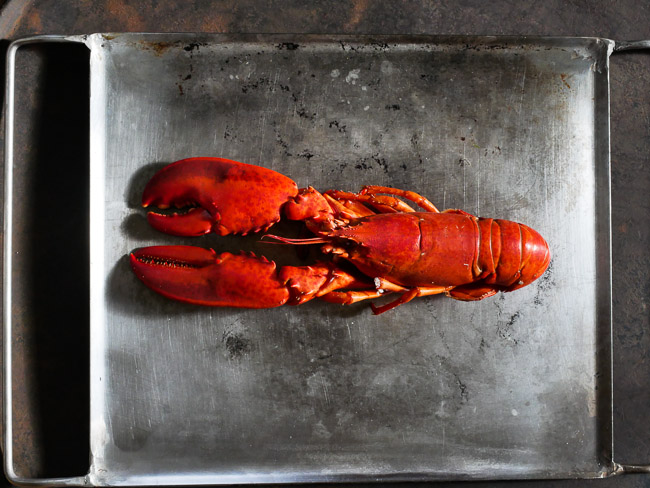
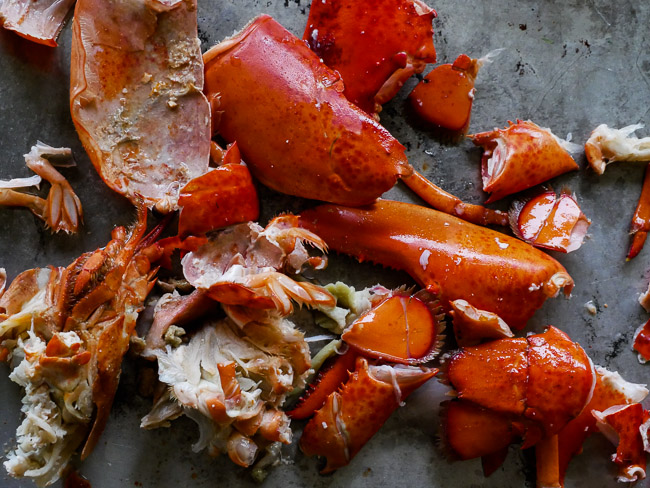
Lobster in the pantry? Dinner for three? Assuming you have some booze left from the quarantine and some vegetables I recommend you take another step into uncertainty with this freestyle lobster soup. The recipe came to me by way of a seven line Whatsapp message with absolutely no quantities. We will pass on the instructions to you as we received them. The result was marvelous!
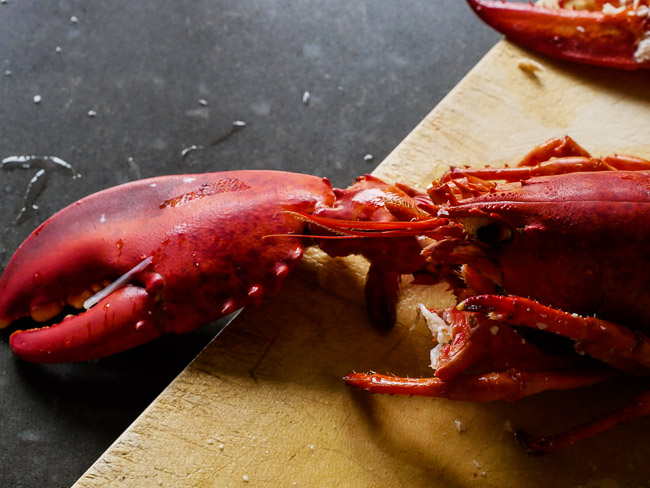
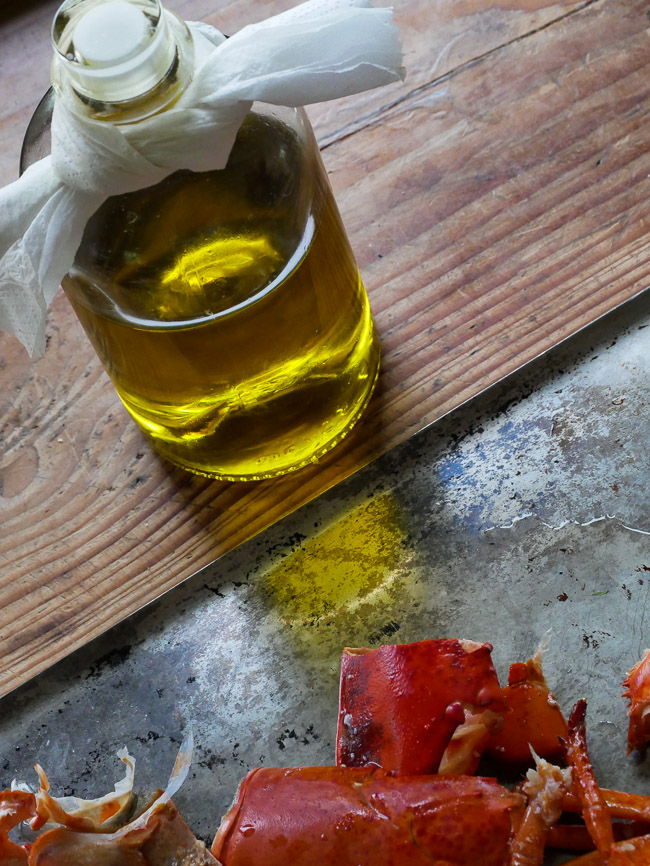
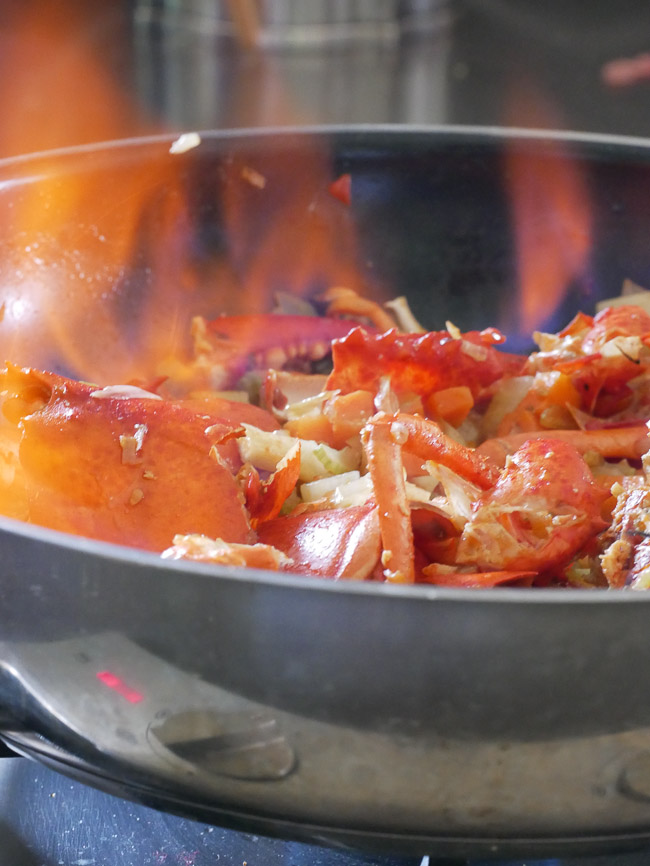
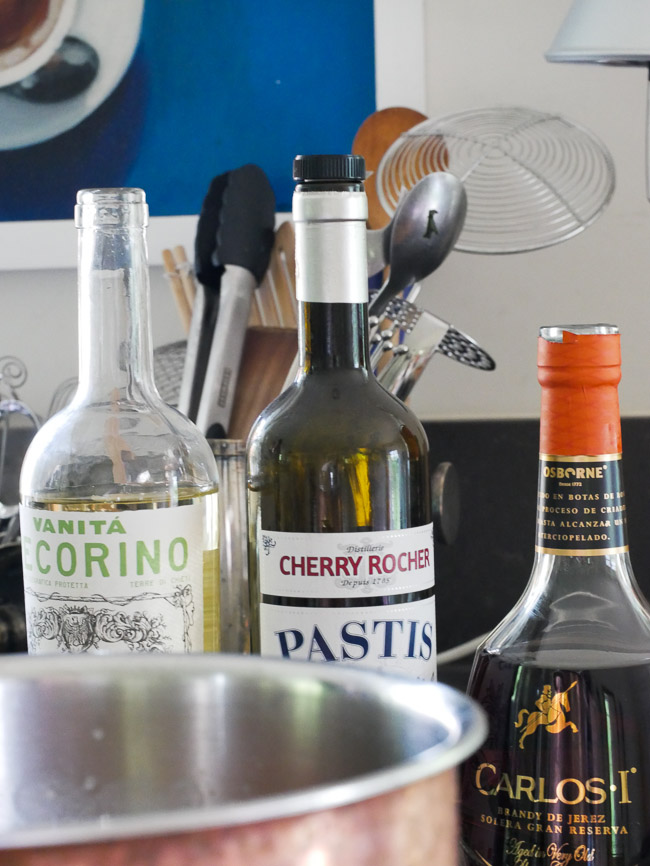
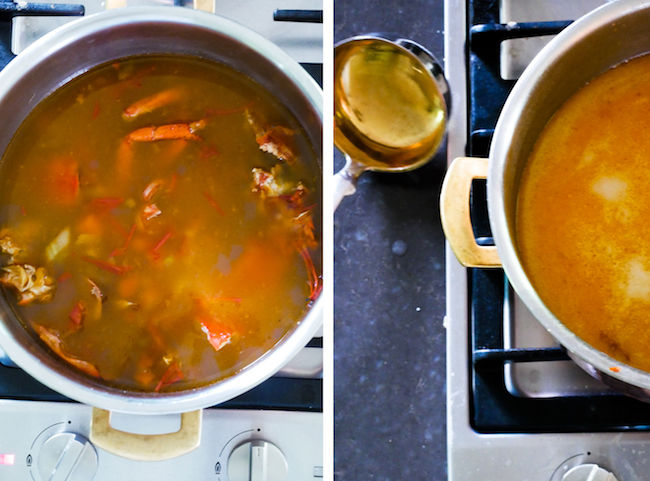
Boil the lobster, remove the meat from the claws and the tail, put it aside and fry the rest of the lobster (yes, the shell!) in olive oil along with diced carrots, shallots, tomato and celery. Drench in Cognac and flame. Extinguish the flames with Pernod (or if you don’t have with Pastis). Add white wine and seafood stock, letting it boil for a while to absorb all flavours. Strain through a musselin cloth and add Sherry or Cognac to taste. To finish, add cream, salt, pepper and the lobster meat. Let it come to a boil one last time and that’s it!
Garnish with dill, serve with the rest of the white wine and enjoy! Works well with bread, if you haven’t traded it for toilet roll already.
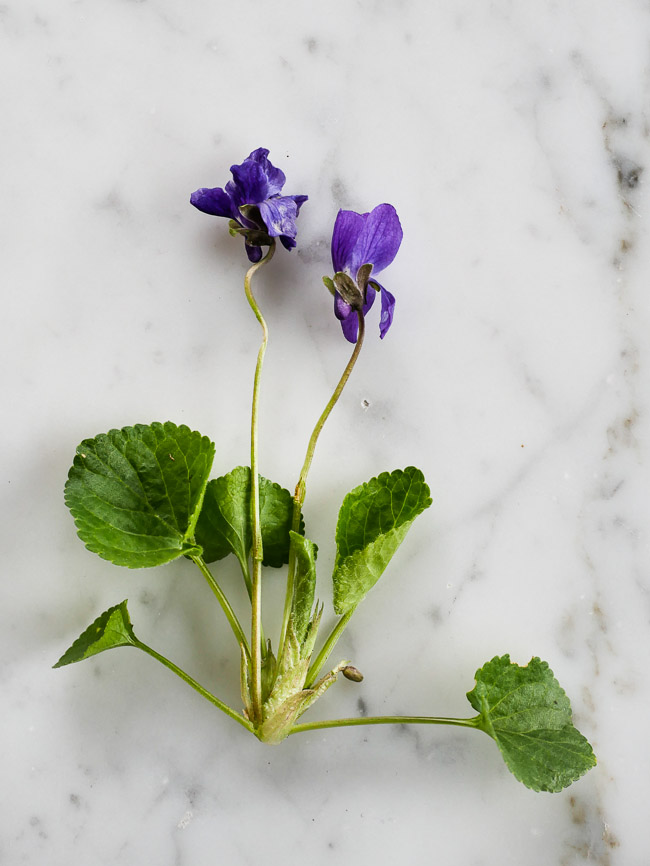
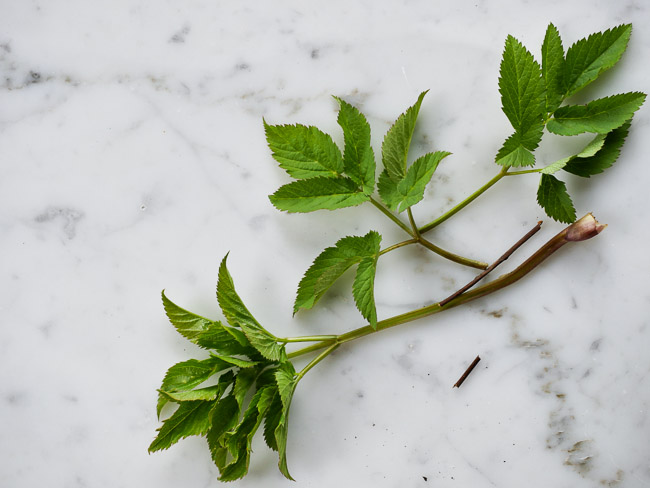
A hearty dose of herbal remedies that you can conjure with ingredients found on your walks or even in your garden. They are easy enough to recognize but for beginners I recommend buying a book highlighting the similar but toxic friends.
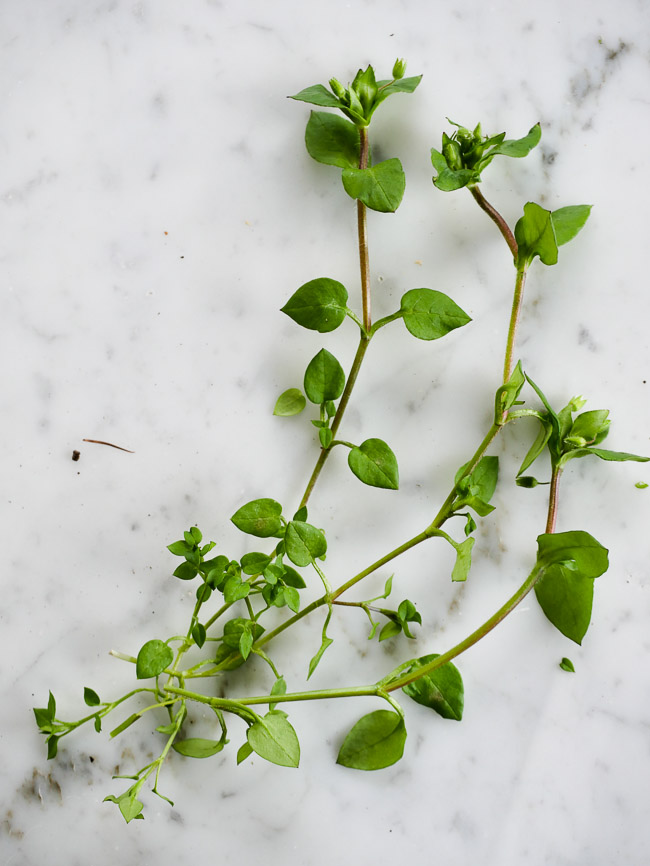
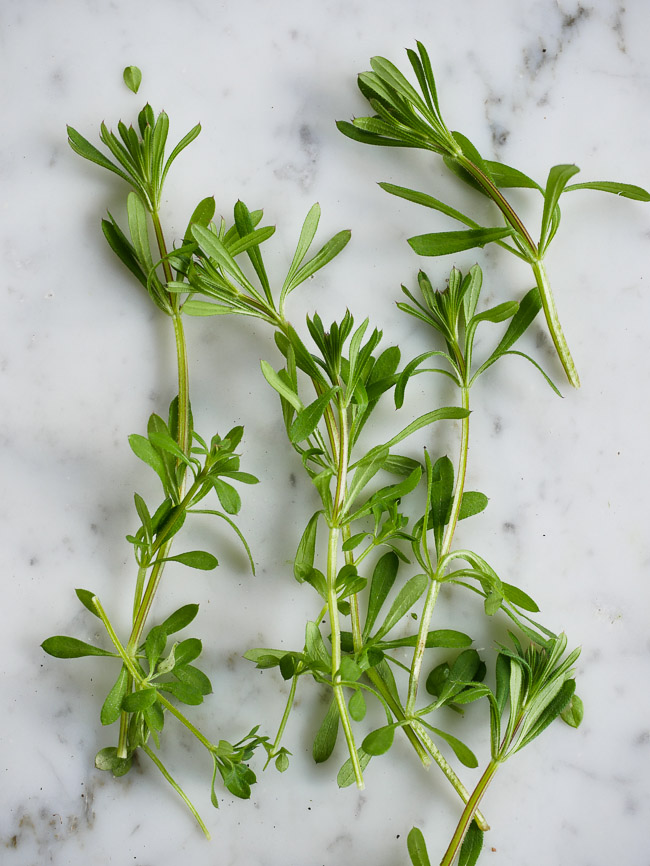
Chickweed (Vogelmiere) Stellaria Media
Chickweed
Edible parts: leaves, stems, buds and blossoms
Contents: calcium, magnesium, potassium, iron, B-vitamins, phosphorus, zinc, copper, silicic acid, vitamins A and C, essential oils, tannins and plant-based proteins
Effects : cooling, anti-inflammatory, blood-cleansing, hemostatic, diuretic, digestive and analgesic
Use: pure in salads, dips or crostini juiced with apple blended in smoothies dried as a metabolism-enhancing tea
_____________
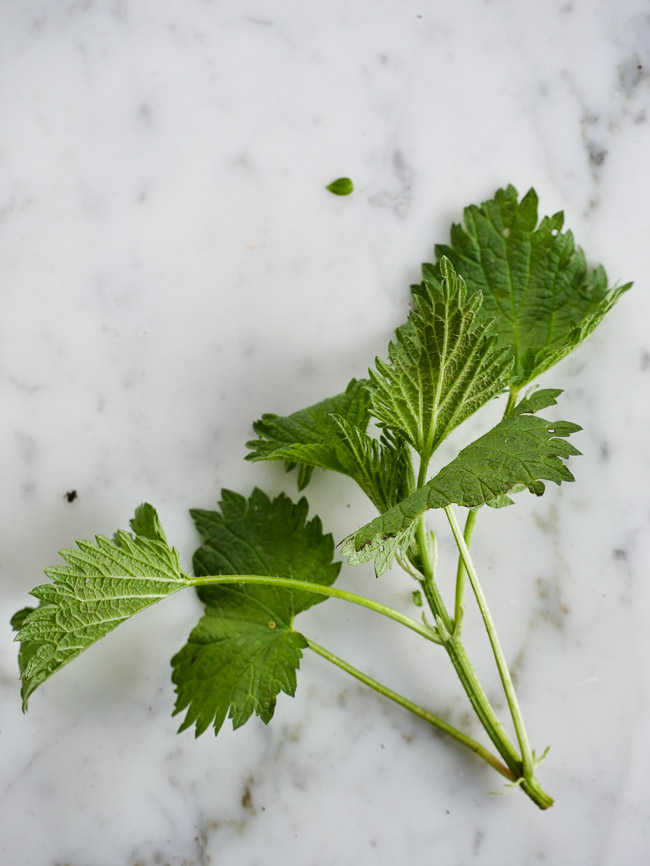
Nettle (Brennnessel) Urtica Dioica
Nettle
Edible parts: leaves, seeds, buds
Contents: flavonoids, magnesium, potassium, iron, silicic acid, vitamin A, C and E, plant-based proteins In the seeds: 30% oils, especially linoleic acid and vitamin E
Effects: diuretic, blood-cleansing and detoxing, anti-inflammatory, digestive, anti-rheumatic, anti-diabetic, tonic
Use: leaves: fresh or dried for tea blanched similar to spinach, raw in salads, juices and smoothies seeds: dried or roasted as a condiment
_____________
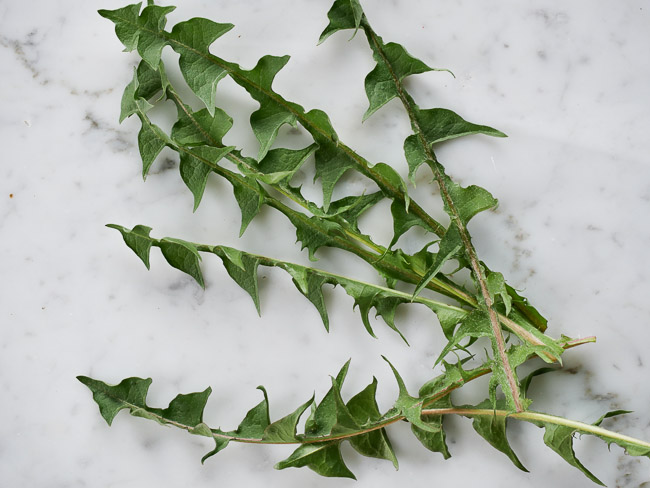
Dandelion (Löwenzahn) Taraxacum Officinale
Dandelion
Edible parts: leaves, stems (the milk is not toxic), blossoms and roots
Contents: bitter substances, potassium, iron, calcium, magnesium, phosphorus, vitamins A, C, B2 and flavonoids.
Effects: diuretic, detoxing, blood-building, anti-inflammatory, wound healing The bitter substances have a beneficial effect on the stomach, intestines, pancreas, liver, gall bladder and kidneys.
Use: juiced or blended in a smoothie in salads and dips dried (leaves and roots) for tea flowers: in salads, or fried in batter
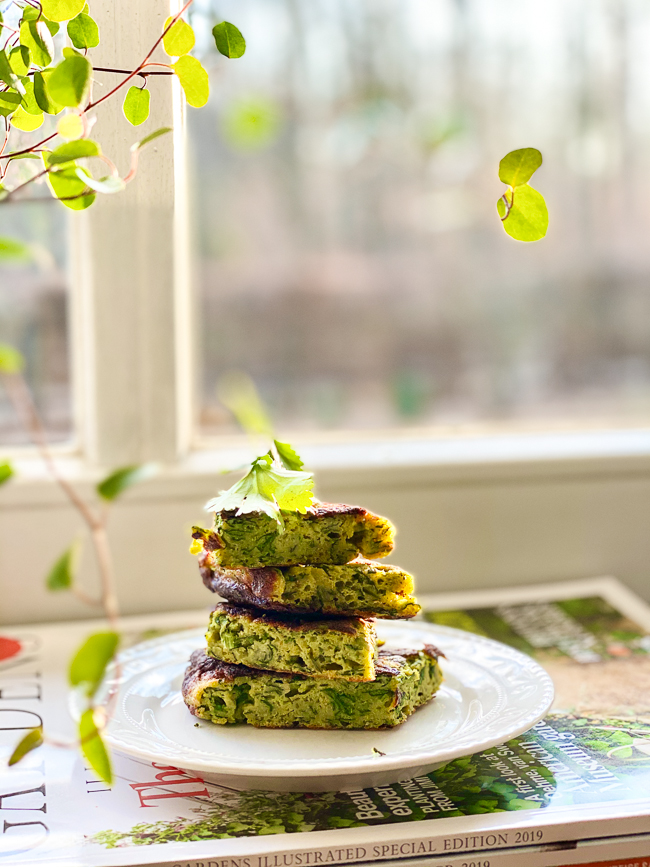
1 cup green mung beans, soaked over night 1 tablespoon lemon juice 2 tablespoons plain yoghurt 1/4 teaspoon baking soda 2 tablespoons coriander, chopped 2 cups spinach, chopped 1 teaspoon sattvic spice mix (recipe below) 1/2 teaspoon salt
Ghee or coconut oil and 1/2 teaspoon mustard seeds for frying.
Drain and rinse the mung beans. Using a high-speed blender pulse to purée the beans, lemon juice and yoghurt. Transfer the mung bean mixture to a bowl. Combine all other ingredients with the ground mung beans. the mixture should be the consistency of a thick pancake batter. If it’s too thick you may add some water.
In a frying pan warm some ghee or coconut oil on medium heat. Sauté the mustard seeds until they pop. Pour the mung bean mixture over the ghee and spread evenly. Cover and cook over medium heat until the sides begin to brown, 3-6 minutes. Flip the frittata by using a plate (transfer to the plate, let it glide back into the pan) or two large spoons or spatulas. Cover and cook 10 minutes more until golden brown.
Transfer to a serving platter and cut into bite-size pieces. Serve with yoghurt or a fresh salad.
sattvic spice mix
This mix is especially nice in dals and soups. In Ayurveda SATTVA feels like : content, restful, peaceful, steady, satisfied, fulfilled.
Roast the coriander, cumin and fennel seeds in a frying pan over medium heat. Stir constantly until you can smell them. Cool and then grind these spices together with the salt, ginger, turmeric and asafoetida to a uniform powder.
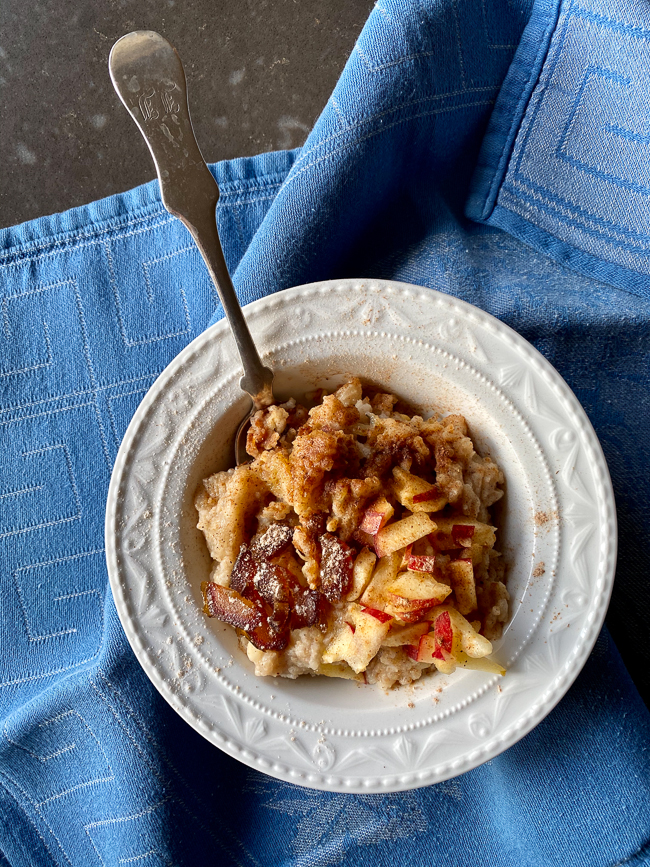
1/2 cup basmati rice 1/2 cup yellow split mung beans, soaked overnight or at least a few hours 4 cups water 2 teaspoons sweet spice mix (recipe below) 2 apples, cored and chopped 4 Medjool dates, pitted and chopped 1/2 teaspoon salt 1 tablespoon coconut oil
Rinse the rice and mung beans well. In a saucepan bring the water, rice and mung beans to a boil. Reduce heat and let simmer, uncovered for 15-20 minutes. Add the spice mix, apples and dates. Cover and simmer 15-20 minutes more, adding more water if needed. The consistency should be of thick oatmeal. Turn off the heat and stir in the salt and coconut oil. Let stand for 5 minutes before eating. You can store the kichari in the fridge for 4 days at least.
Top with some fresh chopped apple and date.
Spin offs: Dates can be replaced by raisins. Apples can be replaced by pears.
sweet spice mix
This mixture aids in the digestion of sweet foods. Use this mix in hot cereal, spiced milks, baked goods, and anywhere you want a warm touch.
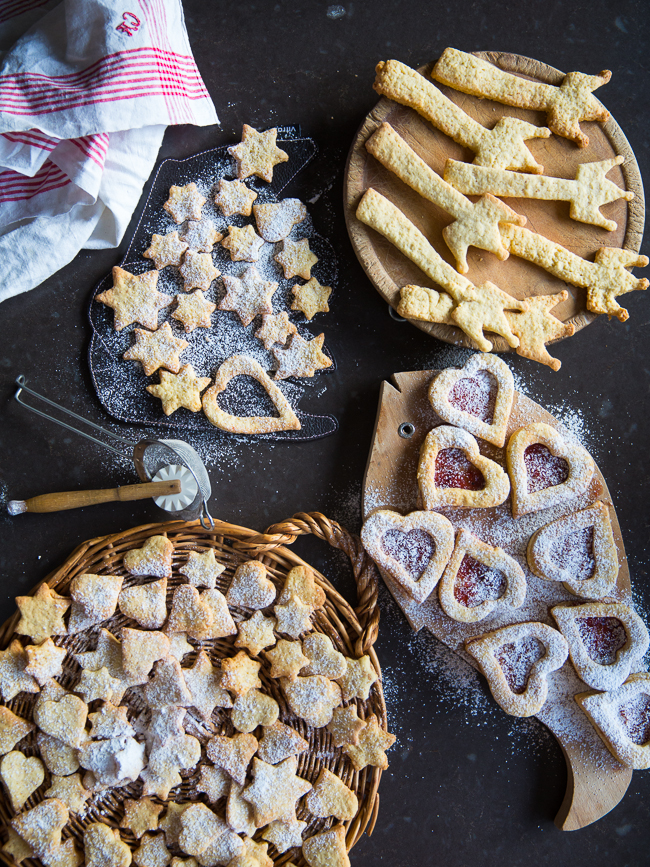
Mix sugar, butter and egg yolks until creamy. With your hands fold in the flour to create a firm dough. Put the finished dough into the fridge to cool and to harden.
Roll out the dough onto a floured surface and cut out the forms.
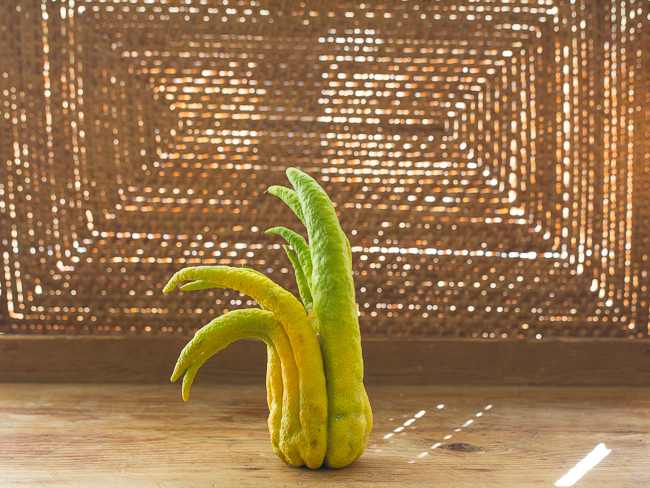
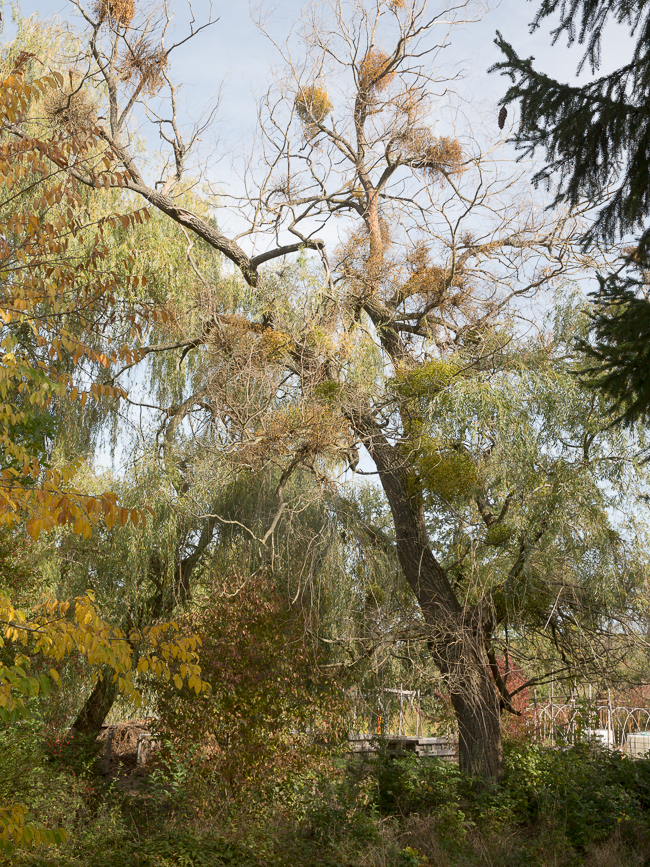
Buddha’s Hand, aka fingered citron, has a sweet lemon blossom aroma, no juice, no pulp and no seeds. It looks bizarre, smells heavenly and in Asia it symbolizes happiness, wealth and longevity.
Here’s some examples what to do with this crazy lemon:
cut off a “finger” and slice it thinly over a piece of grilled white fish
add some grated peel to your vinaigrette
add a slice of peel to your vodka or gin cocktail
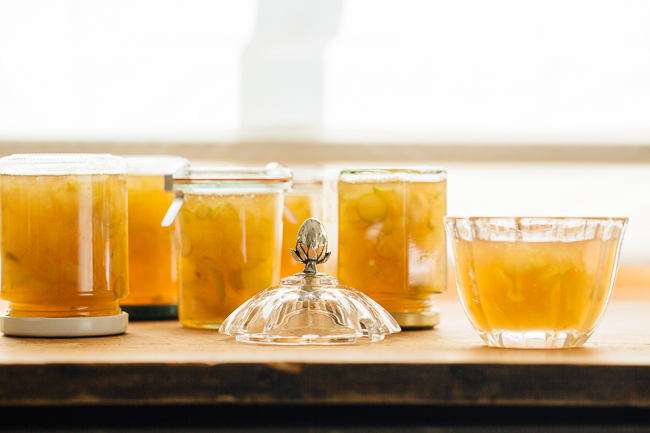
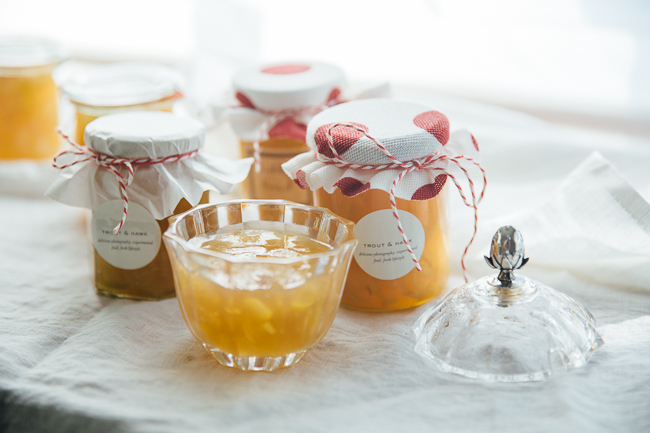
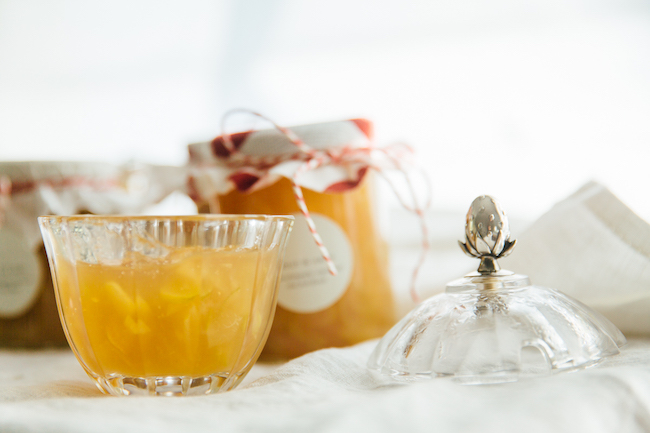
Finally I decided to use up the whole fruit by making a “good luck” marmelade.
Buddha’s Hand marmelade
1 Buddha’s Hand citron water, 3 x the weight of the citron 1 cup of freshly squeezed lemon juice
1 package of “2:1 preserving sugar” from the whole food store (usually they have raw cane sugar with apple pectine)
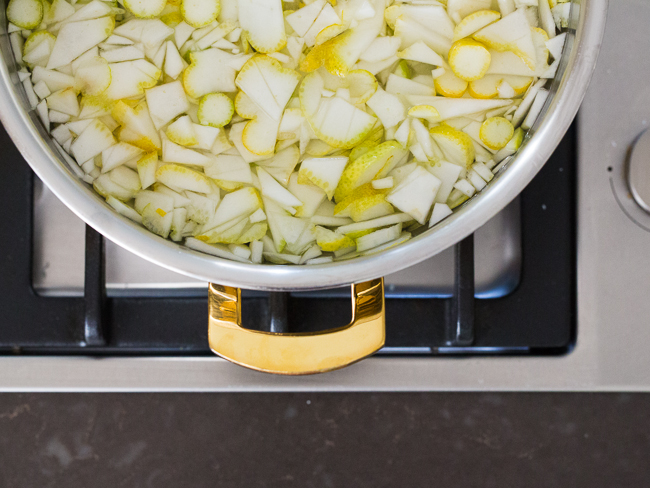
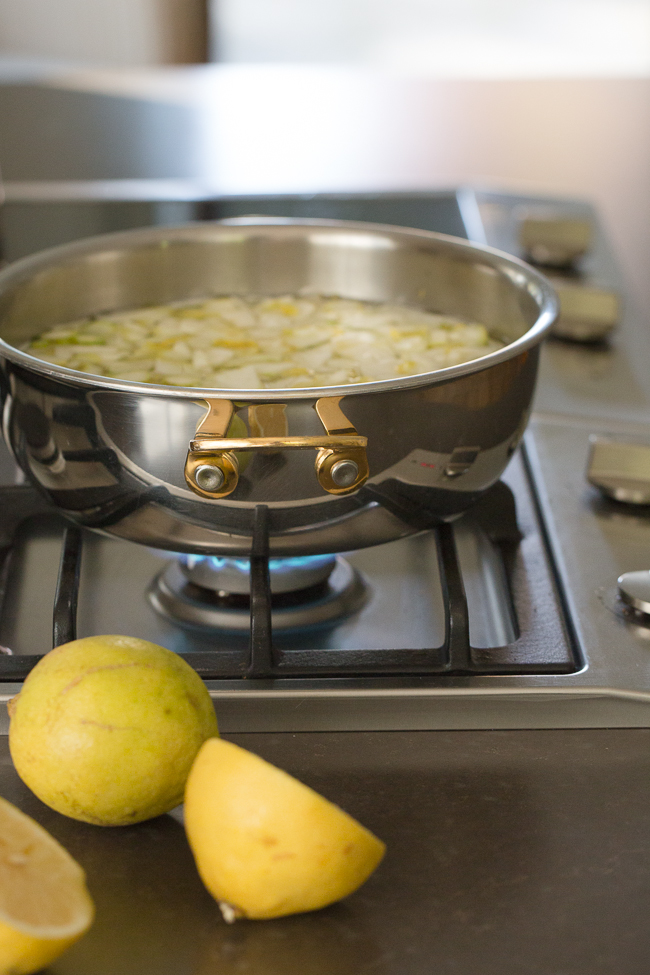
Rinse and dry the citron, then slice and cut it thinly. In a pan bring to a boil the citron and the water. Simmer until the fruit turns slightly glassy. Add the freshly squeezed lemon juice.
Add “2:1 preserving sugar” in the correct ratio and cook following the instructions on the package. Fill in glass jars while hot.
4 eggs at room temperature 200g sugar 180g butter, melted 100ml extra-virgin olive oil 150ml milk 400g flour 1 1/2 teaspoons baking powder a generous pinch of sea salt the grated zest of a an organic orange the grated zest of an organic lemon 300-600g sweet little grapes (or blueberries)
Preheat oven to 175°C. Butter the bottom and the sides of a 25 cm baking dish. In a medium bowl whisk together the eggs and the sugar until creamy. Add the butter, the oil and the milk. Add the grated citrus zest. Finally whisk in the flour, the baking powder and the salt. Let the batter rest for 10 minutes.
With a wooden spoon or with a spatula mix in 200g of the grapes, then pour the batter into the prepared pan. Bake for 15 minutes. Take out of the oven and spread the remaining grapes onto the batter. They will slightly sink in. Bake for another 30 minutes until golden brown.
Enjoy with a good glass of Pinotage Bon Courage Estate 2014.
Manage Cookie Consent
To provide the best experiences, we use technologies like cookies to store and/or access device information. Consenting to these technologies will allow us to process data such as browsing behaviour or unique IDs on this site. Not consenting or withdrawing consent, may adversely affect certain features and functions.
Functional
Always active
The technical storage or access is strictly necessary for the legitimate purpose of enabling the use of a specific service explicitly requested by the subscriber or user, or for the sole purpose of carrying out the transmission of a communication over an electronic communications network.
Preferences
The technical storage or access is necessary for the legitimate purpose of storing preferences that are not requested by the subscriber or user.
Statistics
The technical storage or access that is used exclusively for statistical purposes.The technical storage or access that is used exclusively for anonymous statistical purposes. Without a subpoena, voluntary compliance on the part of your Internet Service Provider, or additional records from a third party, information stored or retrieved for this purpose alone cannot usually be used to identify you.
Marketing
The technical storage or access is required to create user profiles to send advertising, or to track the user on a website or across several websites for similar marketing purposes.